Show us some love
Tails raised with pride

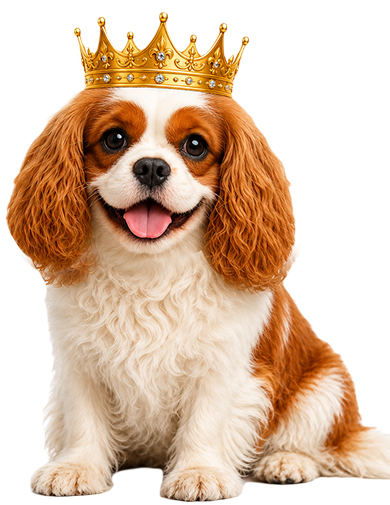

Yes, Cavalier King Charles Spaniels are good family dogs. They are among the gentlest and most affectionate small breeds, and they tend to get along with children, grandparents, visitors, and other pets. But “good with families” does not mean “easy for every family.” Cavaliers need company, daily exercise, careful supervision around small children, and an owner who is ready for their health needs.

This guide answers the question honestly: are Cavaliers good family dogs, and are they right for your home in India?
Cavaliers are one of the most family-friendly toy breeds. They are gentle, patient, people-focused, and rarely aggressive. They want to be wherever the family is, and they tend to bond with every member of the household rather than just one person.
The catch is that they are companion dogs in the fullest sense. They do not do well if left alone for long stretches, and they are prone to serious inherited health problems. A Cavalier is a wonderful family dog for a family that is home often, has the time and budget for care, and understands those risks.
Three traits explain the breed’s reputation.
Cavaliers are also adaptable. They are happy in a small flat or a large house, as long as they are with their people. They are social with visitors, which suits Indian homes that welcome relatives and guests often.
Generally, yes. Cavaliers are patient, playful, and rarely snappy, and they tend to do well with respectful children. They are sturdy enough for gentle play but small enough not to knock a child over, which many families prefer over larger breeds.
That said, a good temperament is not a substitute for supervision.
A dog also needs a quiet space where it can rest without being disturbed. A bed or crate in a calm corner gives your Cavalier somewhere to retreat.
Most do. Cavaliers are friendly with other dogs and often enjoy having a canine companion, which can also reduce loneliness when the family is out. With proper introductions, many live happily with cats and other household pets.
One thing to remember is that they are spaniels. A mild prey drive means they may chase birds, squirrels, or small animals outdoors. Keep them on a leash in parks and open areas, and supervise introductions with small pets like rabbits or hamsters.
Indian families often live in multigenerational homes, and the Cavalier fits well. Its calm indoor manners, small size, and affectionate personality make it a popular companion for grandparents. It does not need intense exercise, and it enjoys quiet company.
If an older family member will be a main caregiver, keep two things in mind. A lively puppy can trip someone on stairs or tiles, so consider adopting an adult dog or getting the puppy through its excitable phase first. And make sure someone younger is available to handle walks, grooming, and vet trips.
Supervision matters for the dog’s safety as much as for the family’s.
Cavaliers have moderate energy, which is a good match for most families. They need about 30 to 60 minutes of activity a day, which can be split into two walks and some indoor play. They enjoy fetch, hide and seek, and puzzle toys, and they love to join in whatever the family is doing.
In India, the main exercise rule is timing. Cavaliers struggle in heat and humidity, so walk early in the morning or late in the evening, and never on hot pavement at midday. In peak summer, shorten the walks and make up the energy with indoor play in a cool room. Always carry water.
A Cavalier that gets enough exercise and attention is calm and well behaved at home. One that gets too little can turn restless, destructive, or noisy.
Only for short periods. This is the biggest challenge for working families. Cavaliers bond deeply and can develop separation anxiety, which shows up as barking, whining, chewing, or toilet accidents when the family leaves.
If both adults work outside the home all day, think carefully before choosing this breed. Ways to make it work include:
A Cavalier is happiest when someone is nearly always around.
Good family dogs still come with trade-offs. Be honest with yourself about these.
A few practical points for Indian families:
A Cavalier is likely a good match if:
A Cavalier may not suit you if:
If you are unsure, spend time with an adult Cavalier first, or ask a responsible breeder or a rescue group to introduce you to the breed. For a full overview of health, costs, and breeders, read our complete Cavalier guide for India.
So, are Cavaliers good family dogs? For the right family, they are among the best. They offer warmth, patience, and constant companionship, and they fit well into busy Indian households full of people. The right family is one that is home often, can handle the heat and the health needs, and is prepared to give a gentle little dog a lot of attention.
Thinking about bringing a Cavalier home? Subscribe to our newsletter for more guides on Cavalier care, training, and choosing a responsible breeder in India.
Disclaimer: This guide is for general information and does not replace professional veterinary. Always supervise interactions between dogs and young children.
Tails raised with pride
© Adjudicate Kennel. All rights reserved.